Betti numbers, Euler Characteristic
Rank of an abelian group
Every finitely generated abelian group is isomorphic to a group with this form:
- The summands give a free abelian part and contain all infinite-order generators.
- The summands give torsion and contain all finite-order generators.
The rank of is the number .
Betti numbers
The Betti numbers of a topological space are the ranks of the homology groups:
These Betti numbers may be combined into a single number, the Euler characteristic:
Euler characteristic
The Euler characteristic of a topological space is the alternating sum of Betti numbers:
Illustration - Euler characteristic of polyhedra and simplicial complexes
For convex polyhedra, Euler’s formula for the Euler characteristic is simply vertices minus edges plus faces:
For nonconvex polyhedra, this formula can give values other than the actual Euler characteristic defined using Betti numbers.
| Name | Figure | Vertices | Edges | Faces | |
|---|---|---|---|---|---|
| Tetrahedron | 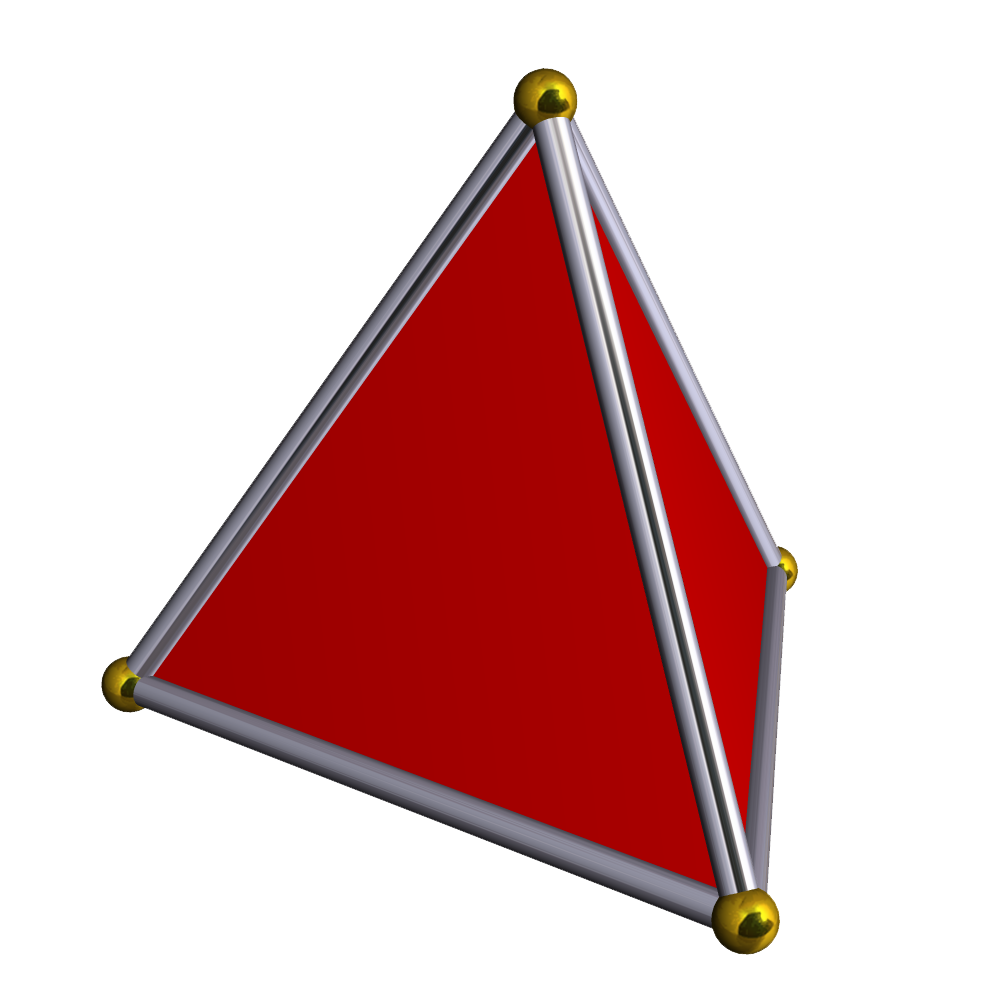 | 4 | 6 | 4 | 2 |
| Cube | 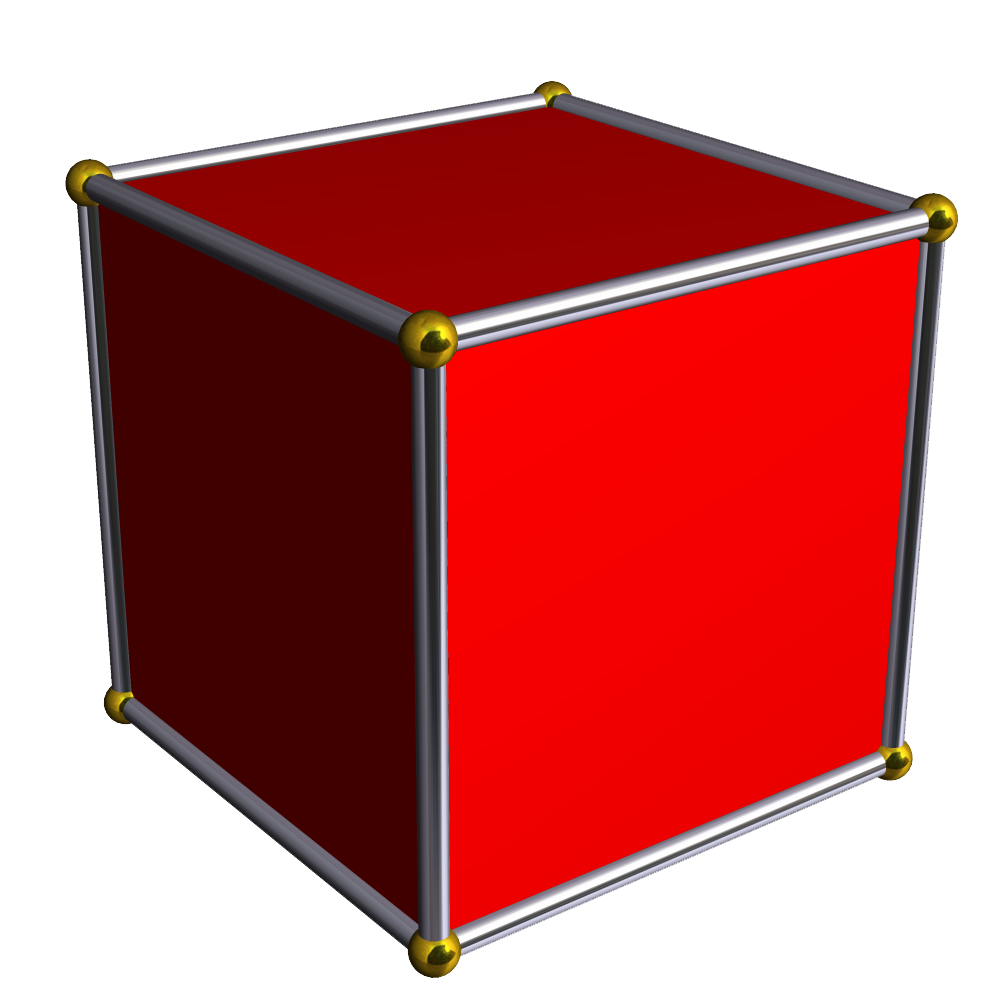 | 8 | 12 | 6 | 2 |
| Octahedron | 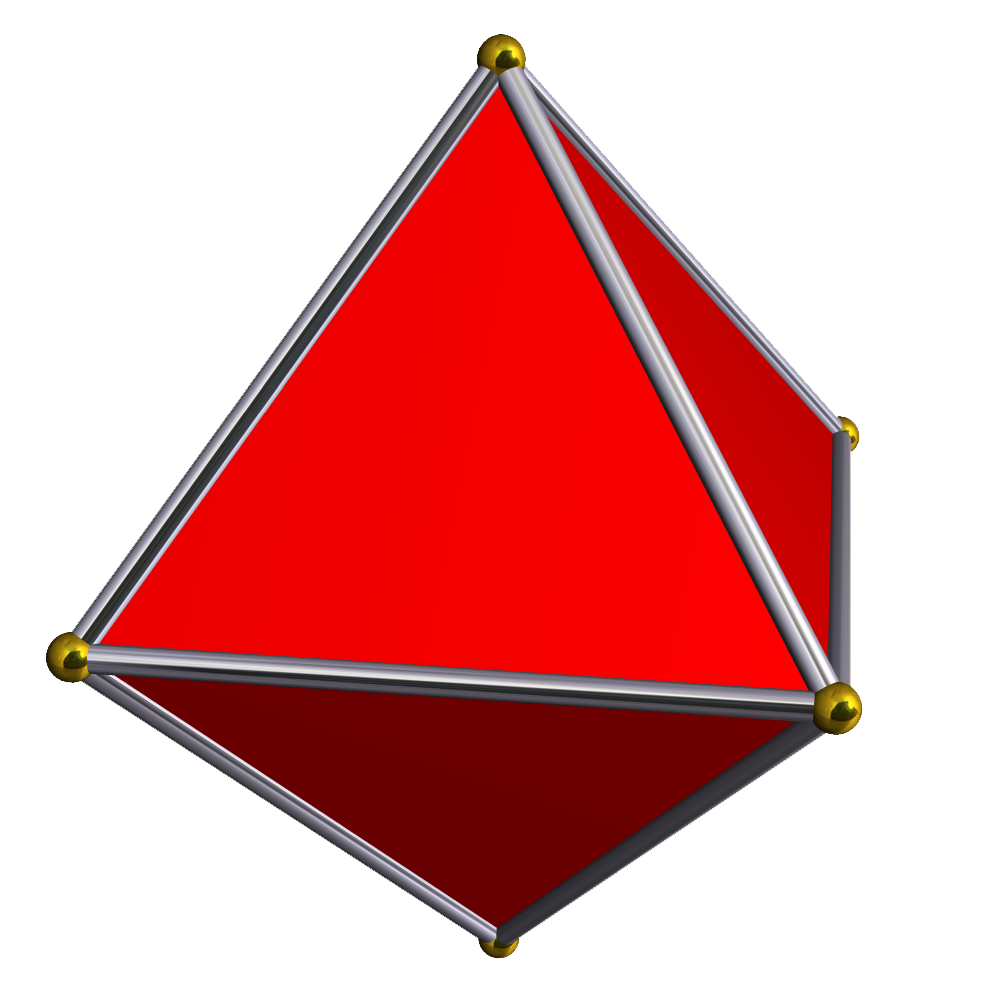 | 6 | 12 | 8 | 2 |
| Dodecahedron | 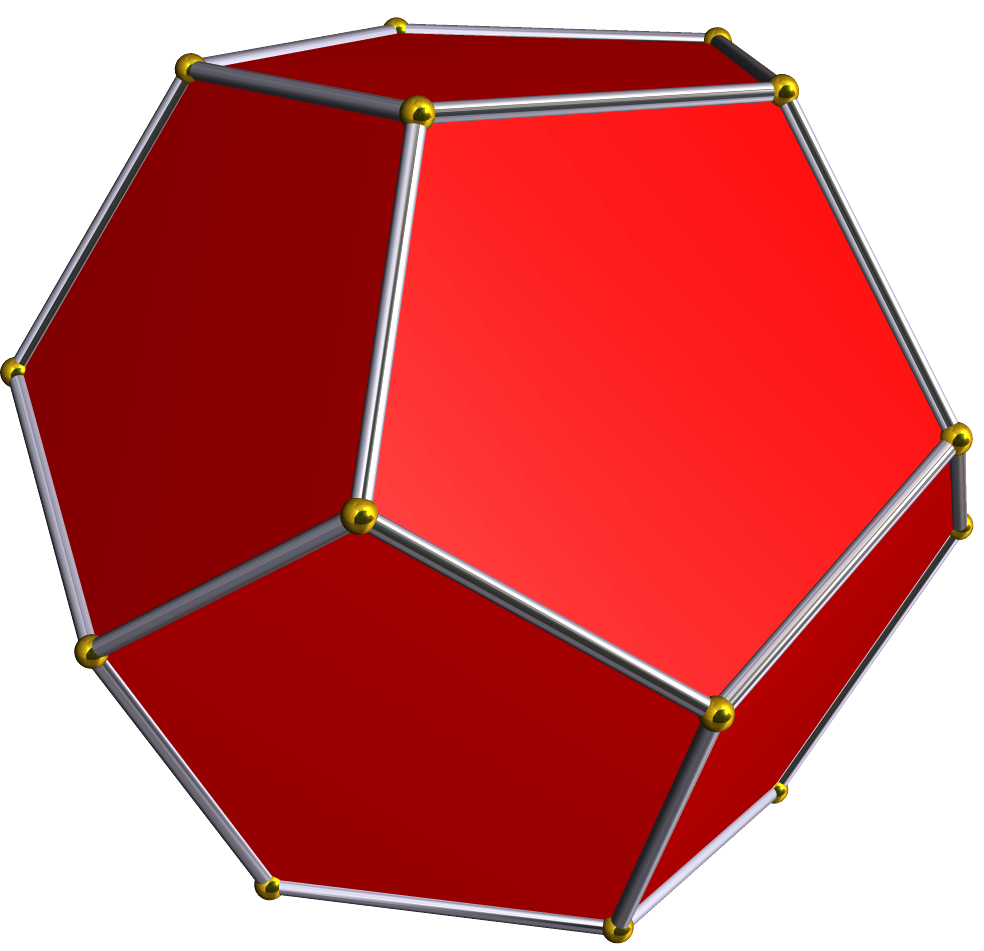 | 20 | 30 | 12 | 2 |
| Icosahedron | 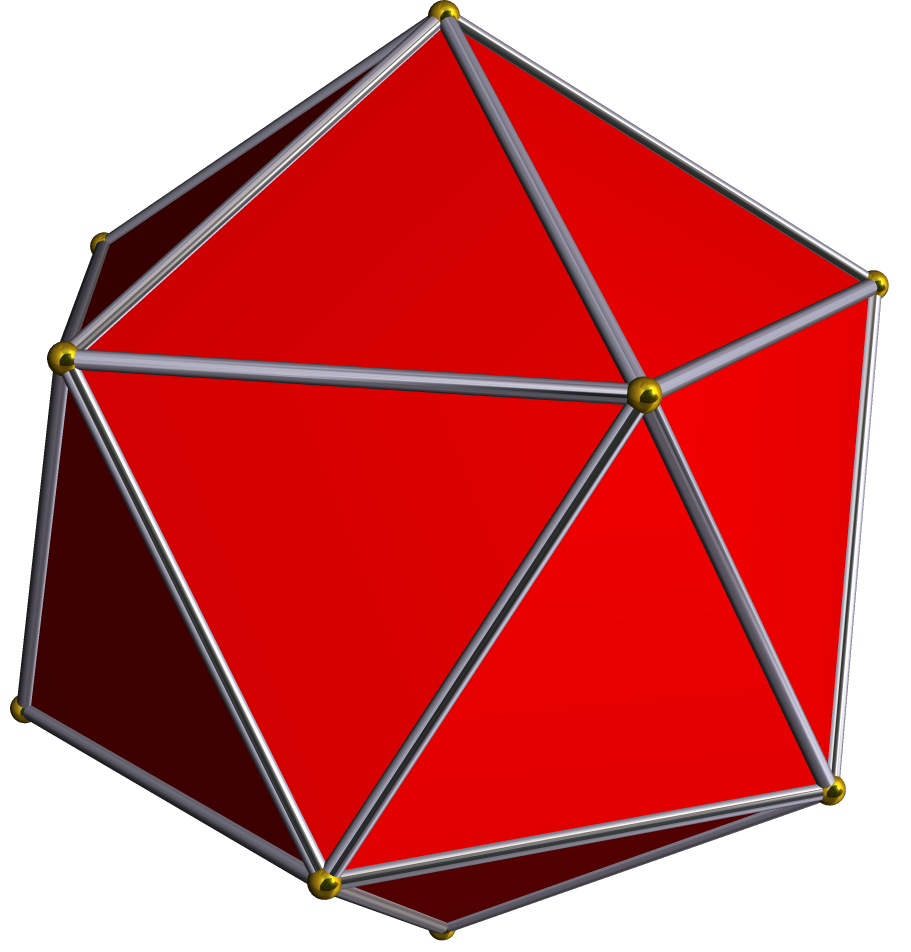 | 12 | 30 | 20 | 2 |
| Tetrahemihexahedron | 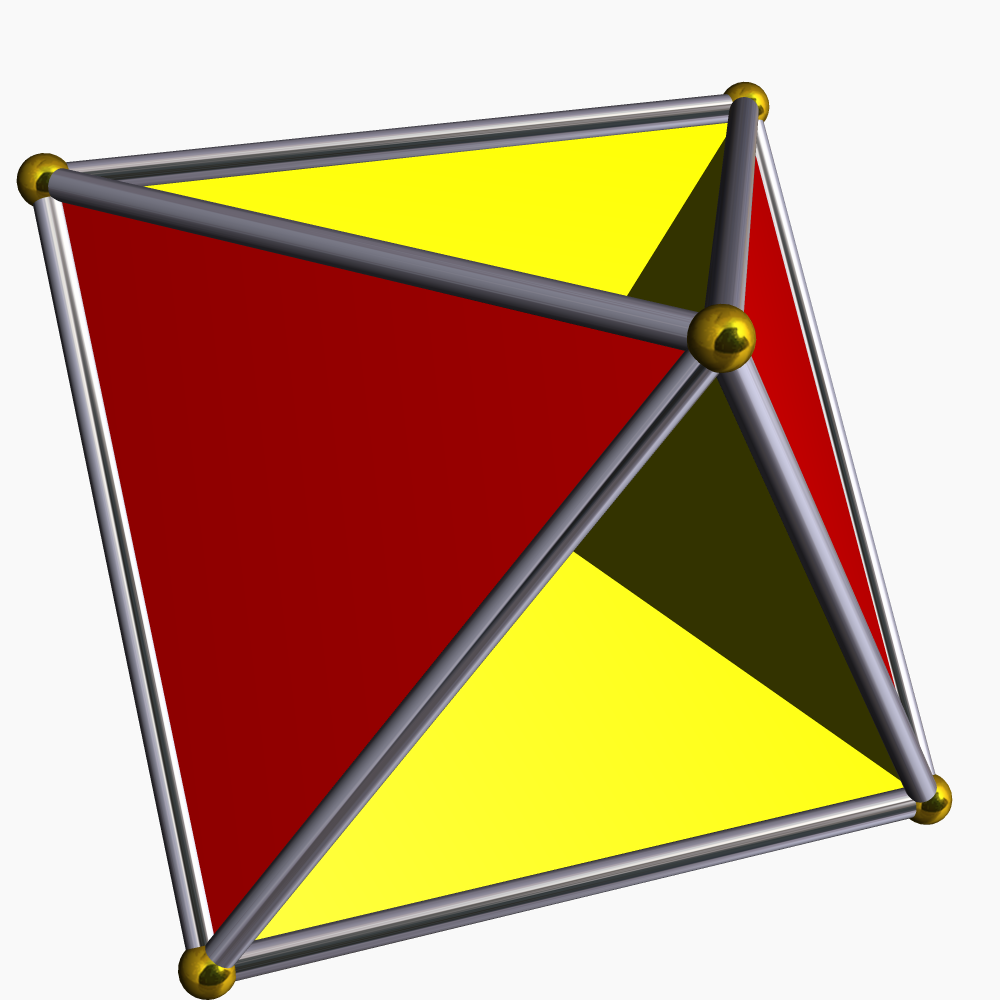 | 6 | 12 | 7 | 1 |
| Cubohemioctahedron | 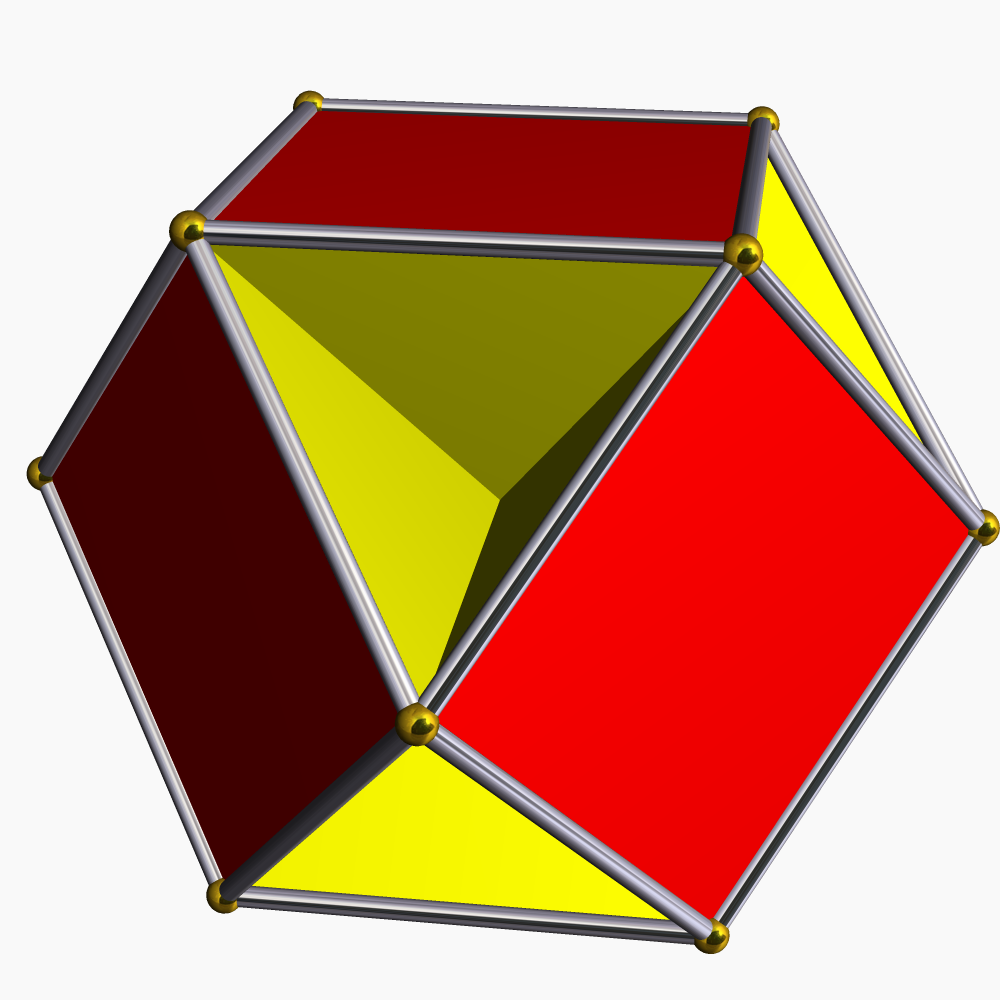 | 12 | 24 | 10 | -2 |
| Small stellated dodecahedron | 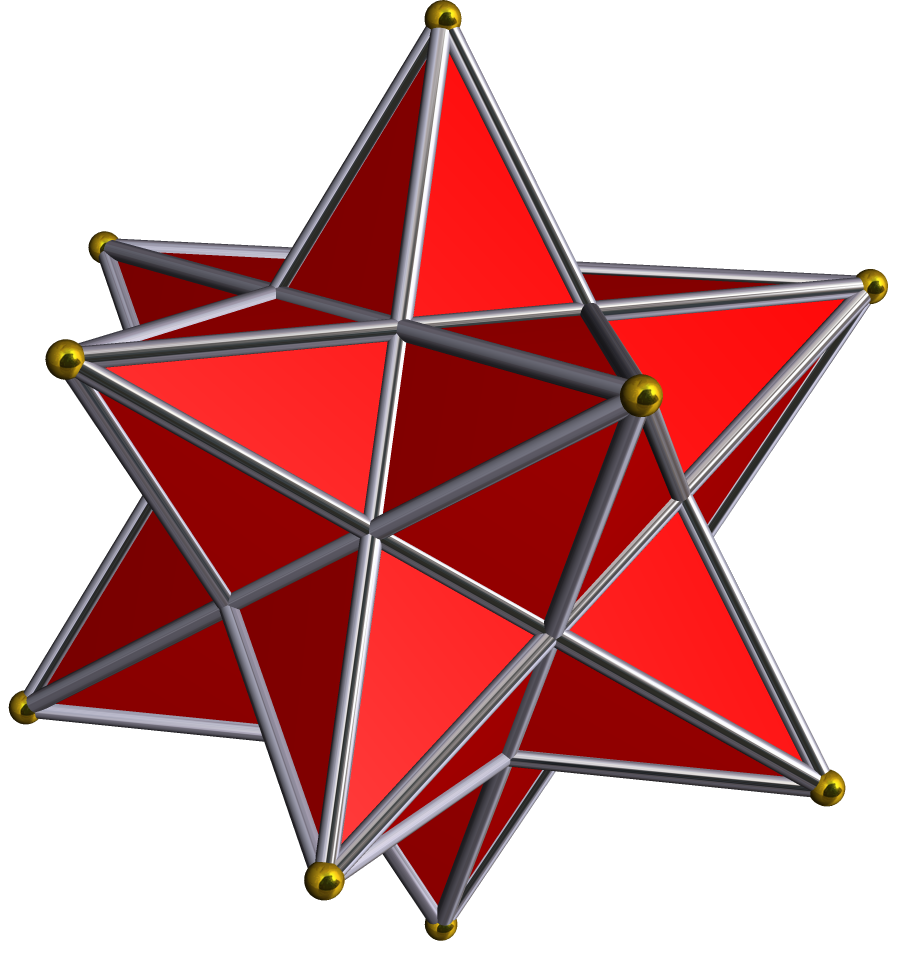 | 12 | 30 | 12 | -6 |
For a simplicial complex, the Euler characteristic can always be computed using a formula analogous to the Euler formula: count the simplices of each dimension:
Here is the number of -simplices in the simplicial complex.
Theorem: Euler Euler
For a simplicial complex, the same Euler characteristic may be calculated using Betti numbers or using the counts of simplices.
We do not prove this here, although the proof is a straightforward homology calculation.